What It's Like To Live In Princeton
If you are thinking about a move to Princeton, you are probably wondering whether the town lives up to its reputation. The short answer is yes, but not in a one-size-fits-all way. Princeton offers a mix of downtown energy, historic character, practical commuting options, and easy access to parks and trails. If you want a clearer picture of daily life here, this guide will walk you through what it really feels like to live in Princeton. Let’s dive in.
A big part of Princeton life centers around the downtown area near Nassau Street, Witherspoon Street, and Palmer Square. The municipality identifies this area as the central business district, and it functions as a true everyday hub rather than just a place you visit once in a while. You will find boutiques, restaurants, cafés, specialty shops, and community gathering spots that keep the area feeling lively throughout the day.
Princeton also has a strong civic and cultural rhythm. The Princeton Public Library, the Arts Council of Princeton, and McCarter Theatre all add regular public programming that helps downtown feel active beyond shopping and dining hours. That means your routine can include more than errands. It can also include events, performances, and public spaces that make the town feel connected.
Witherspoon Street adds another layer to downtown life. Princeton describes it as the heart of the historical Black community, and the street today is tree-lined, pedestrian-focused, and mixed in use, with commercial, residential, and religious buildings side by side. Recent improvements like wider sidewalks, raised crosswalks, street trees, and pedestrian-level lighting support a more comfortable day-to-day experience on foot.
For a town of its size, Princeton offers a surprisingly broad set of transportation options. The best-known feature is the Princeton Dinky, a 2.7-mile electrified rail line that connects downtown Princeton and the university area with Princeton Junction. NJ Transit says the trip takes about five minutes, runs seven days a week, and is timed to connect with Northeast Corridor trains.
From Princeton Junction, you can continue toward New York City, Newark, or Trenton. For many buyers, that rail connection is one of Princeton’s biggest lifestyle advantages because it gives you access to regional job centers without needing to live in a larger city. If your workweek includes both local time and office travel, that flexibility can matter a lot.
Local transit options add even more convenience. The free Loop bus serves housing locations, downtown Princeton, and the Princeton Shopping Center, while the Express route runs between the Dinky and the shopping center. Tiger Transit is also free and open to the public, freeB serves the station area, NJ Transit bus routes 605 and 606 offer local and regional connections, and Coach USA’s 100 bus runs from Nassau Street at Firestone Library to New York City.
The station itself is set up for real everyday use. Princeton Station includes parking, bike racks, bike rental, and an enclosed waiting room. Princeton’s municipal information also notes access to Route 1, the New Jersey Turnpike, and the Garden State Parkway, which helps if your routine includes a mix of train travel, local driving, and regional trips.
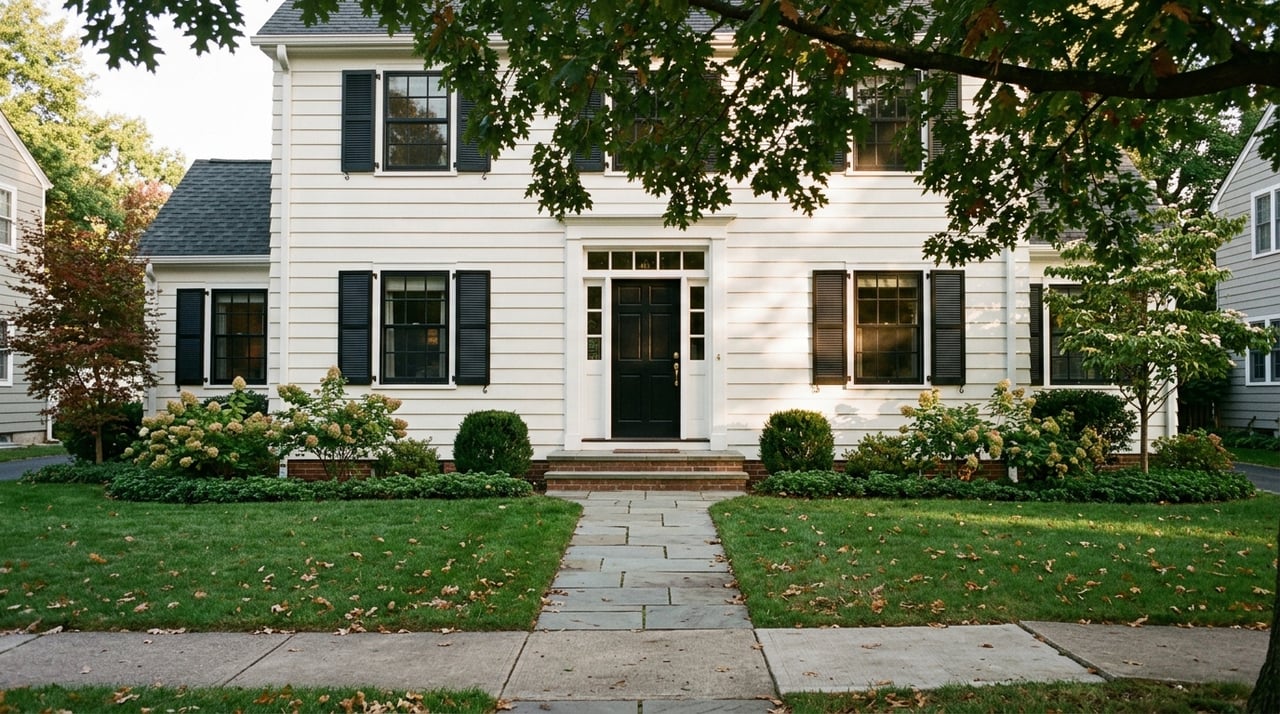
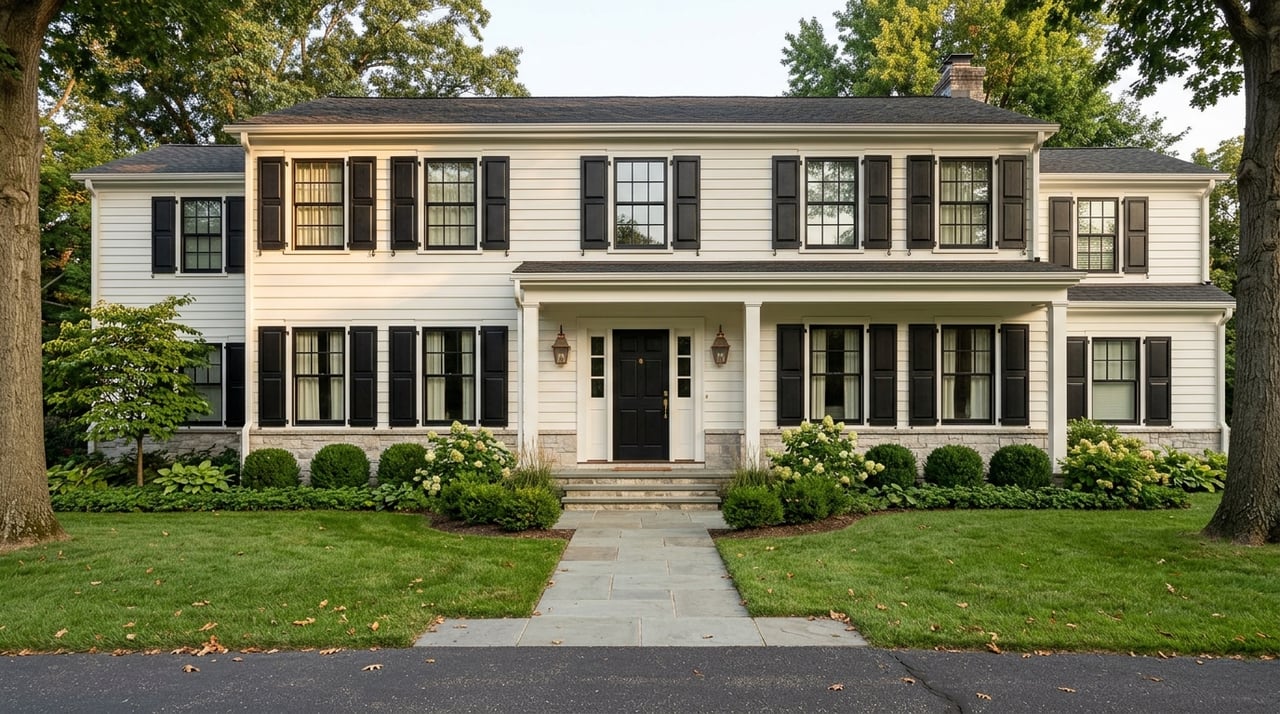
One of the first things many people notice about Princeton is that it does not read like a typical subdivision town. Its housing stock is mixed, historic in many areas, and visually layered across different streets and districts. That variety is part of what gives Princeton its personality.
In the Witherspoon-Jackson area, official historic resources identify styles such as Dutch Colonial Revival, Colonial Revival, and American Foursquare. Princeton’s description of Witherspoon Street also notes that many homes date from the early and mid-19th century, are typically 2 to 2½ stories, and often include porches and stoops. These details shape the look and feel of blocks that feel established and connected to the town’s history.
Downtown commercial architecture adds to that sense of variety. A historic preservation staff report on Nassau Street identifies Federal, Second Empire, Renaissance Revival, and Colonial Revival styles among the buildings there. In practical terms, this means Princeton often feels like a town that evolved over time rather than one built all at once.
That variety also shows up in housing choices. Downtown living is not limited to older detached homes. Palmer Square includes townhomes and condominiums in the heart of downtown, which gives some buyers a more central, lower-maintenance option.
If you are drawn to Princeton’s older homes and architecturally distinctive streets, it is important to understand one practical detail. In locally designated historic districts, proposed exterior changes may go through review by the Office of Historic Preservation. The office also maintains design guidelines for those areas.
That does not mean owning in a historic area is difficult, but it does mean you should go in with clear expectations. If you are planning exterior renovations, updates, or additions, review requirements can become part of your timeline. For the right buyer, that process is part of what helps preserve the look and character that made the neighborhood appealing in the first place.
Princeton stands out for how easily town life and open space connect. According to the municipality, more than one-quarter of Princeton’s land area is preserved as open space. That creates a lifestyle where getting outside can feel like a normal part of your week, not something you need to plan far in advance.
The D&R Canal State Park path is a good example. Princeton says it can be reached from downtown by bike or on foot, and the path is suitable for walking and cycling. For many residents, that means an after-work walk, weekend bike ride, or quick nature break can fit naturally into everyday life.
Several well-known outdoor spots reinforce that pattern. Marquand Park is a 17-acre park and Princeton’s only officially recognized arboretum, with more than 120 tree species and paved paths that are reachable on foot or by bike from downtown. Herrontown Woods offers roughly 150 acres and more than 4 miles of trails, while Princeton Battlefield State Park is also accessible by foot or bike from the center of town.
Like most towns, Princeton does not offer the exact same experience from every address. If you live closer to Nassau Street, Palmer Square, the library, and the station, you will likely be able to do more of your daily routine on foot or with transit. That can include coffee runs, library visits, dining out, and access to the train or local bus options.
If you live farther from the downtown core, your day may feel more car-oriented. In exchange, some buyers may prefer that setup for reasons tied to layout, privacy, parking, or lot size. Neither choice is better across the board. It depends on the routine you want and the tradeoffs that matter most to you.
For many buyers, Princeton’s appeal comes from how many needs it can meet at once. It offers a recognizable downtown, meaningful transit access, varied housing styles, and quick access to parks and trails. Few towns balance those features in such a compact and usable way.
If you are relocating, Princeton can also be easier to understand once you break it into daily patterns. You are not just choosing a house. You are choosing how often you want to walk to downtown, how you want to commute, and whether historic character or lower-maintenance living matters more to you.
A thoughtful home search here usually starts with lifestyle questions like these:
If you are selling in Princeton, lifestyle is a major part of the story. Buyers are often paying attention not only to the home itself, but also to how the location supports day-to-day living. Features like proximity to downtown, transit flexibility, access to open space, and architectural character can all shape how buyers perceive value.
That is especially true in a town with such a distinct identity. A home near the center may appeal to buyers who want walkability and easy rail access, while a property in a quieter setting may appeal to buyers looking for a different rhythm. The key is presenting the home clearly and honestly, with attention to the lifestyle strengths most relevant to its location.
What makes Princeton different is not just one landmark or one street. It is the way several qualities come together at once. You get a downtown that feels active, a transportation setup that supports both local and regional movement, a built environment with visible history, and open space that is woven into daily life.
That combination gives Princeton a sense of balance. It can feel polished without being overly formal, lively without feeling rushed, and practical without losing charm. For many buyers and sellers, that is exactly what makes the town so compelling.
If you are considering a move to Princeton or preparing to sell here, working with someone who understands how these lifestyle details affect value and fit can make the process much easier. When you are ready for clear, local guidance, Vanessa Shives is here to help.
Stay up to date on the latest real estate trends.
You can expect to work closely with us at showings, inspections, financial analyses, and handyman projects. We bring deep market knowledge, hands-on investment experience, and strong financial and analytical expertise to help you identify properties with potential.