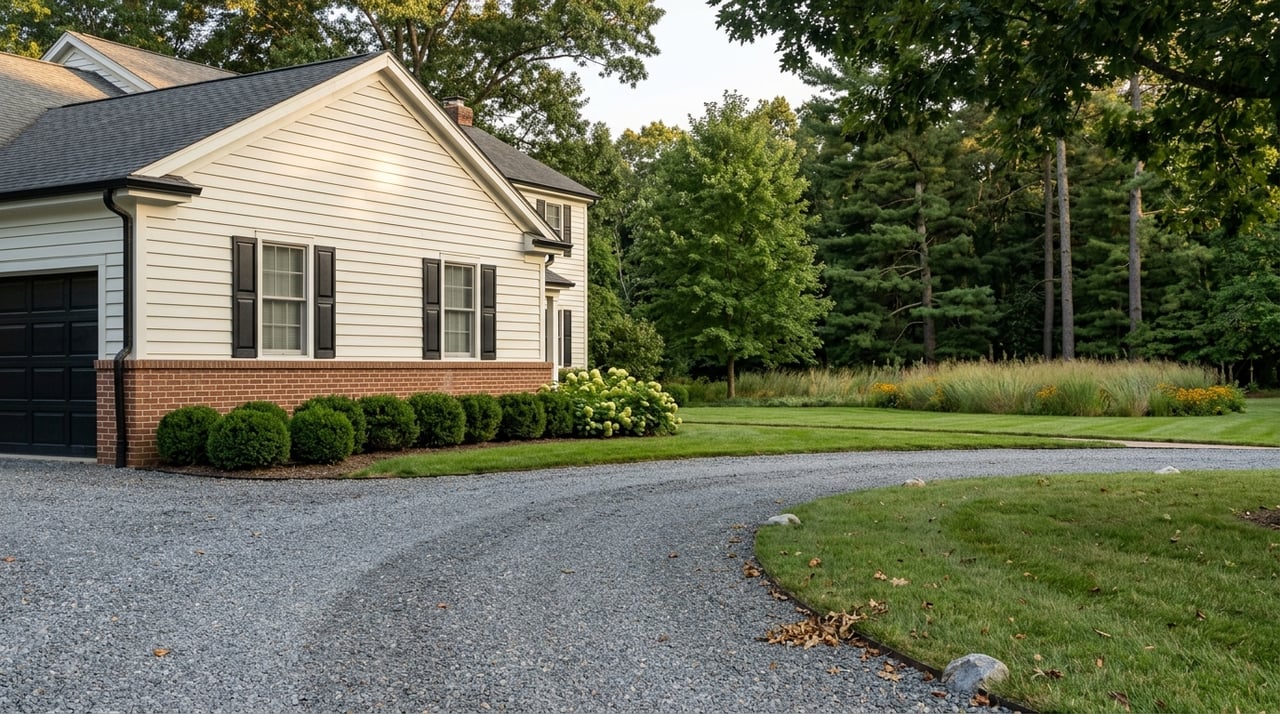
Selling A Hopewell Township Home With Land Or Acreage
Wondering whether a bigger lot automatically means a bigger sale price in Hopewell Township? Not always. If you are selling a home with land or acreage, buyers will look far beyond the total number of acres and focus on what the land can actually do. This guide will help you understand how acreage is viewed in Hopewell, what buyers tend to ask, and how to prepare for a smoother sale. Let’s dive in.
Hopewell Township is a land-sensitive market. According to the township’s 2022 Open Space and Recreation Plan, open space and recreation lands account for 13,140.18 acres, or 35% of township land area, and that rises to 16,400 acres, or 43%, when preserved farmland is included.
That context matters when you sell. In a place where preserved land, farmland, wooded areas, wetlands, and stream corridors are part of the local landscape, buyers tend to look closely at how land is used, protected, and maintained.
Gross acreage can also be misleading. The township notes that wetlands often cluster along stream corridors and steeper slopes are more common near the Delaware River and stream corridors, which means part of a parcel may be harder to use or maintain than the lot size suggests.
When buyers see a property with acreage, one of their first questions is simple: how much of this land is truly usable? In Hopewell Township, that answer often depends on zoning, wetlands, steep slopes, flood hazard areas, easements, buffers, and any preserved or agricultural restrictions.
That is why a land-heavy property should be presented in layers. The house is one part of the value, the clearly usable land is another, and constrained land may contribute differently to the overall price and buyer interest.
Hopewell Township zoning assigns very different minimum lot sizes depending on the district and utility service. The residential bulk schedule includes examples such as 80,000 square feet for R-100 lots with wells and septic, 6 acres for VRC conventional subdivisions, and 14 acres for MRC conventional subdivisions.
For you as a seller, that means acreage is not just about size. It is also about what the zoning allows, how the parcel is configured, and whether environmental or physical limits affect future use.
A buyer may love the house but still want to know whether the property could support a barn, shed, fence, pool, addition, or other accessory use. Hopewell’s bulk schedule specifically regulates accessory structures such as barns, silos, animal shelters, and farm stands, so setbacks and permitted uses can become part of the conversation.
If you can answer those questions early with clear documentation, you reduce guesswork. That can help buyers feel more confident and help your listing stand out.
Some buyers will ask whether the parcel can be subdivided or further developed. In Hopewell, that depends on the exact zoning district and environmental constraints, not just on the raw number of acres.
If subdivision comes up, it is better to stay factual and precise. Overstating future potential can create avoidable problems later in the transaction.
Many buyers assume a large property may rely on private systems, and in Hopewell that is often true. Hopewell Township Utilities serves only 105 water customers and 1,900 sewer customers in specific neighborhoods, so many larger parcels depend on private wells and septic systems.
That has practical implications for your sale. Buyers may want more detail about system age, maintenance, testing, and transfer requirements before they feel ready to move forward.
Hopewell Township requires a Letter of Review for any transfer of property sale, rental, or change of use. The township says septic inspection reports and or well-water analysis must be submitted at least 10 business days before an occupancy change, and if deficiencies are found, the buyer and seller negotiate how those issues will be addressed.
NJDEP also recommends that purchasers secure a septic inspection before buying a property served by septic. For a seller, getting organized early can help prevent delays once a contract is in place.
New Jersey’s Private Well Testing Act requires testing for qualifying real estate sales before title can close. NJDEP says both buyer and seller must receive and review the results, and Hopewell requires the sample to be taken by a NJDEP-certified lab.
If treatment is installed, post-treatment samples are also needed. On an acreage property, these details are not minor paperwork items. They can directly affect your timeline.
Hopewell Township treats agriculture as a local land-use priority. The township’s Agricultural Advisory Committee exists to promote and preserve agriculture and farmland, and township materials describe a local right-to-farm framework intended to reduce conflicts between residential neighborhoods and farming activity.
If your property is farm-assessed or tied to agricultural use, buyers will likely have tax and use questions. These issues should be handled clearly and early.
New Jersey’s Division of Taxation says farmland assessment requires at least 5 contiguous acres devoted to agricultural or horticultural use, a two-year devotion period, annual filing by August 1, and minimum gross sales thresholds. If use changes from agricultural or horticultural use to non-farm use, rollback taxes are assessed.
A new owner who continues active farmland use does not trigger rollback taxes. That distinction can matter a great deal in buyer decision-making.
If woodland acreage is part of a farmland-assessed property, a woodland management plan may also be required. The state says these plans are usually prepared by a professional forester and approved by the Division of Parks and Forestry.
If that applies to your property, having the paperwork ready can make your listing easier to evaluate. Buyers tend to respond well when the land story is complete and organized.
Pricing a home with land in Hopewell usually requires a more detailed approach than pricing a typical suburban lot. Buyers may value the setting, privacy, and flexibility of acreage, but they also look closely at any limitations.
In practice, land that is not clearly buildable, is constrained by wetlands or flood hazard areas, or is subject to easement or preservation rules often contributes less to market value than sellers initially expect. That does not mean the land lacks appeal. It means the pricing strategy should reflect how buyers actually evaluate it.
Instead of treating every acre the same, it helps to think in three parts:
This framework leads to more realistic pricing and better buyer conversations. It can also reduce the risk of a listing sitting because the parcel was marketed more broadly than the facts support.
Acreage showings work best when buyers can understand the land without guessing. The goal is not to make the parcel seem bigger or more flexible than it is. The goal is to present it honestly and clearly.
Current surveys, aerial imagery, boundary markers, and simple maps can help buyers see where fields end, where woods begin, and where wetlands, easements, or buffers may affect use. In Hopewell, that clarity matters because buyers are often sensitive to the difference between usable land and total tax-lot acreage.
If possible, prepare the land so people can experience it. That may mean opening gates, mowing access paths, and flagging key boundaries before showings begin.
It also helps to be upfront about seasonal conditions. Mud, drainage patterns, stream crossings, and areas not intended for vehicle traffic should be explained clearly so buyers can evaluate the property with the right expectations.
Some sellers consider clearing trees or opening views before listing. In Hopewell, that should be approached carefully.
The township requires permits for removing more than 150 inches dbh of trees within a 10-year period. NJDEP also says tree or shrub removal within freshwater wetlands requires prior approval, so last-minute clearing can create complications instead of adding value.
The right professionals often make the difference between a smooth acreage sale and a stressful one. On a Hopewell Township property with significant land, the most helpful team may include an acreage-savvy agent, a surveyor, a septic inspector, a NJDEP-certified water-testing lab, and, when needed, an environmental consultant or forester.
That team approach matters because land-heavy listings often face tougher questions during inspections and negotiations. The more clearly you can document what you have, the easier it is for buyers to move forward with confidence.
Selling a Hopewell Township home with land is rarely just about square footage and curb appeal. It is about understanding zoning, environmental features, utilities, agricultural status, and how buyers will interpret every part of the parcel.
That is where calm, detailed guidance can help. With the right pricing strategy, documentation, and presentation, you can position your property more effectively and avoid many of the surprises that often slow down acreage sales.
If you are thinking about selling a Hopewell Township property with land, Vanessa Shives can help you evaluate the property’s strengths, prepare for buyer questions, and build a smart strategy for the market.
Stay up to date on the latest real estate trends.
You can expect to work closely with us at showings, inspections, financial analyses, and handyman projects. We bring deep market knowledge, hands-on investment experience, and strong financial and analytical expertise to help you identify properties with potential.