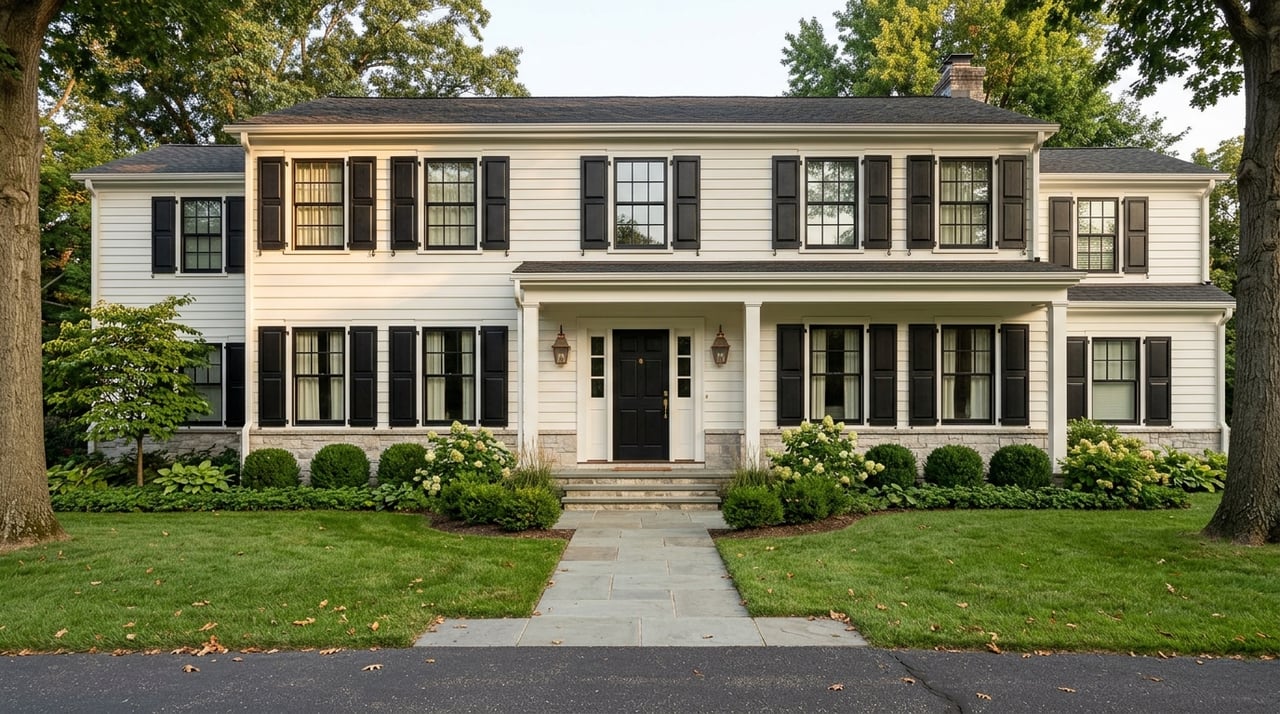
Relocating To Princeton For Work: Local Home Search Tips
Thinking about moving to Princeton for work? The challenge is not just finding a home you like. It is learning a compact, high-value market fast enough to make a smart decision without feeling rushed. This guide will help you narrow your search, plan an efficient house-hunting trip, and focus on the details that matter most in Princeton. Let’s dive in.
Princeton is a relatively small market by land area, but it is not a simple one-size-fits-all place to buy. The town covers 17.95 square miles, and local planning documents show that sales are compared across more than 100 neighborhoods, which tells you just how much micro-location can shape value.
That matters if you are relocating on a deadline. Two homes with similar square footage can offer a very different daily experience depending on access to transit, road patterns, historic district rules, or the surrounding housing mix.
Princeton is also a market where people tend to stay put. According to the Census Bureau’s 2020-2024 ACS, 77.0% of residents lived in the same house one year earlier. Lower turnover can mean fewer choices at any one time, so it helps to arrive with a clear strategy.
Before you build a tour list, get grounded in the local price picture. The Census Bureau reports a median owner-occupied home value of $1,050,600 in Princeton, median gross rent of $2,636, and median monthly owner costs with a mortgage above $4,000.
Recent market data cited in the research shows a median sale price of about $1.2 million, with homes averaging one offer and a median of 43 days on market over the last three months. In practical terms, that means you should be prepared to act when the right home appears, but you do not need to assume every listing will become an extreme bidding contest.
If your work move includes a temporary landing period, rentals may also be part of the discussion. Knowing both the ownership and rental cost landscape can help you decide whether to buy right away or give yourself time to learn the area first.
One of the biggest relocation mistakes is searching by town name alone. In Princeton, that can lead you to overlook major differences in setting, housing type, and day-to-day convenience.
Princeton’s housing mix reflects how the town grew over time. The historic core developed around the village, college, and early roads, while other areas added estates, later subdivisions, townhomes, apartments, and more varied neighborhood patterns.
The local master plan identifies residential areas such as Neighborhood, Central Neighborhood, Greenway Neighborhood, and Multi-Family Neighborhood areas. Central Neighborhood areas are aimed at infill and transit-oriented redevelopment, while Multi-Family Neighborhood examples include Griggs Farm, Copperwood, Princeton Community Village, Governors Lane, Merwick Stanworth, Washington Oaks, and Thanet Circle.
For you, the takeaway is simple: decide early whether your priority is transit access, lower-maintenance living, a larger lot, or a more established streetscape. That decision will make the rest of your search far more efficient.
If you are coming in for a short search trip, do some digital screening before your first showing. Princeton’s GIS portal lets you confirm whether an address is in Princeton and review zoning, historic district, parks, and trails data.
This is especially useful in a market where location details can affect both lifestyle and future plans for the property. If you expect to renovate, expand, or make visible exterior changes later, checking for historic district status early can save time and frustration.
Princeton’s Office of Historic Preservation reviews changes in designated historic districts. That does not mean a historic area is a negative. It simply means you should understand any preservation considerations before you fall in love with a home.
When you are moving for work, your commute should shape your home search from day one. A map can help, but an actual test run is much more valuable.
Princeton offers more than one way to get around. The town has a free Princeton Loop bus system open to everyone, with Loop Local serving housing locations, downtown Princeton, and the Princeton Shopping Center, and Loop Express running between Princeton Station and the shopping center.
Princeton Station, located at 152 Alexander Street, connects to the Dinky, the local shuttle train to Princeton Junction. The Princeton Branch is a 2.7-mile electrified line between Princeton and Princeton Junction, and Princeton Junction sits on NJ Transit’s Northeast Corridor line with connections to New York City, Newark, and Trenton.
There are also bus options that may matter depending on your destination. Princeton’s transportation page lists NJ Transit routes 600, 605, and 612, along with other local service options. Coach USA’s 100 bus from Nassau Street at Firestone Library to New York City adds another option for some commuters.
If you will drive, test the route during rush hour. Princeton Public Works notes that some key roads are maintained by NJDOT and others by Mercer County, including Washington Road, South Harrison Street, River Road, and Rosedale Road. That makes a real-world drive more useful than a quick glance at traffic apps.
A compressed house-hunting trip works best when it is structured. Rather than trying to see everything, compare a few distinct living patterns.
Here is a smart way to use your time:
This kind of side-by-side comparison gives you a better read than a long list of random showings. It also helps you separate what looks good online from what fits your everyday life.
If inventory feels tight in Princeton, widening your search can be a smart move. Several nearby Mercer County towns can preserve Princeton-area access while offering a different balance of housing choices, land, and commute patterns.
West Windsor is described by Mercer County as a suburban community with Route 1, attractive residential neighborhoods, and a major commuter rail station. That can appeal to buyers who want strong rail convenience and a broader search area.
Lawrence offers Route 1 shopping, major employers, and more than 25% preserved open-space parks and farmland. Hopewell Township is known for open space, rolling hills, waterways, and thriving farmlands, while Pennington is a very small borough with vibrant neighborhoods and a range of architectural styles around a main-street setting.
These towns are not interchangeable. Each creates a different tradeoff between commute convenience, land, town-center feel, and available inventory. If your job is bringing you to Princeton, keeping a few nearby options in play can reduce pressure and improve your choices.
Princeton is active, but the research does not suggest a market where every home demands the same aggressive response. Recent data points to homes averaging one offer and about 43 days on market, which supports a measured but ready approach.
That means you should be preapproved and prepared to write quickly when a home checks the right boxes. At the same time, you can still evaluate inspection terms, financing structure, and neighborhood comparables carefully instead of assuming speed is the only factor.
In a relocation move, confidence usually comes from preparation. When you know your commute priorities, target housing types, and acceptable price range, it becomes much easier to act decisively without overreaching.
If you are moving here for work, your goal is not to master every block in one weekend. Your goal is to learn enough, quickly and accurately, to make a strong decision.
A simple framework can help:
That process keeps emotion from taking over the search. It also helps you stay focused on the combination that matters most: home, location, and workday practicality.
If you want a calm, informed approach to relocating in the Princeton area, Vanessa Shives offers hands-on guidance, local insight, and thoughtful support from search to closing.
Stay up to date on the latest real estate trends.
You can expect to work closely with us at showings, inspections, financial analyses, and handyman projects. We bring deep market knowledge, hands-on investment experience, and strong financial and analytical expertise to help you identify properties with potential.