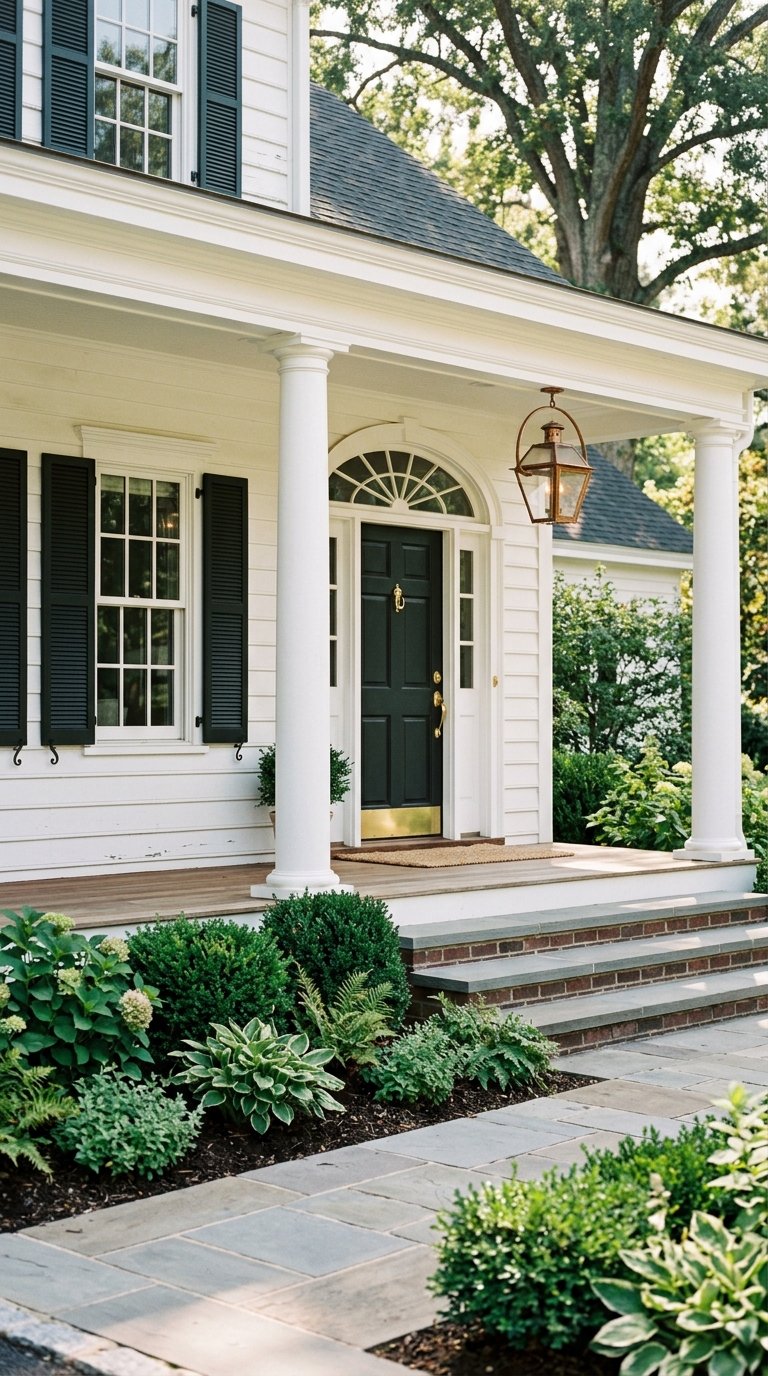
Hopewell vs Princeton Homes: How to Choose Your Base
If you are deciding between Hopewell Township and Princeton, you are not just comparing home prices or commute times. You are choosing the setting for your daily life, from how often you drive to how much outdoor space you want around you. The good news is that both offer strong appeal in the Greater Princeton area, just in very different ways. This guide will help you sort through the tradeoffs so you can choose with more clarity and confidence. Let’s dive in.
The biggest difference between Hopewell Township and Princeton is scale and rhythm. Princeton is smaller and denser, with 31,469 residents and about 1,709.6 people per square mile. Hopewell Township has 18,763 residents spread across 58.07 square miles, with about 301.2 people per square mile.
In practical terms, Princeton tends to feel more compact and active. Municipal planning emphasizes walkability, bikeability, transit, and a strong downtown core. Hopewell Township leans in a different direction, with planning that emphasizes rural character, open land, and farmland preservation.
Hopewell Township describes itself through rolling hills, the Delaware River, hiking trails, and preserved land. Its open-space and recreation planning shows how central that landscape is to the community’s identity. If you picture home as a place with more breathing room, this setting may feel like a natural fit.
That lower-density pattern also shapes your routine. You are more likely to rely on your car, travel along road corridors such as Route 31 and Route 29, and enjoy a quieter residential rhythm. For many buyers, that tradeoff is worth it for added privacy and land.
Princeton offers a more in-town experience. Official local materials describe a walkable downtown, transit connections, and a strong network of parks and preserves, with more than 28% of land area designated as open space.
That means you may be able to structure more of your day around proximity. Shops, arts venues, local services, and transit options are more woven into everyday life. If you want a lively town center and the option to walk or bike to parts of your routine, Princeton often stands out.
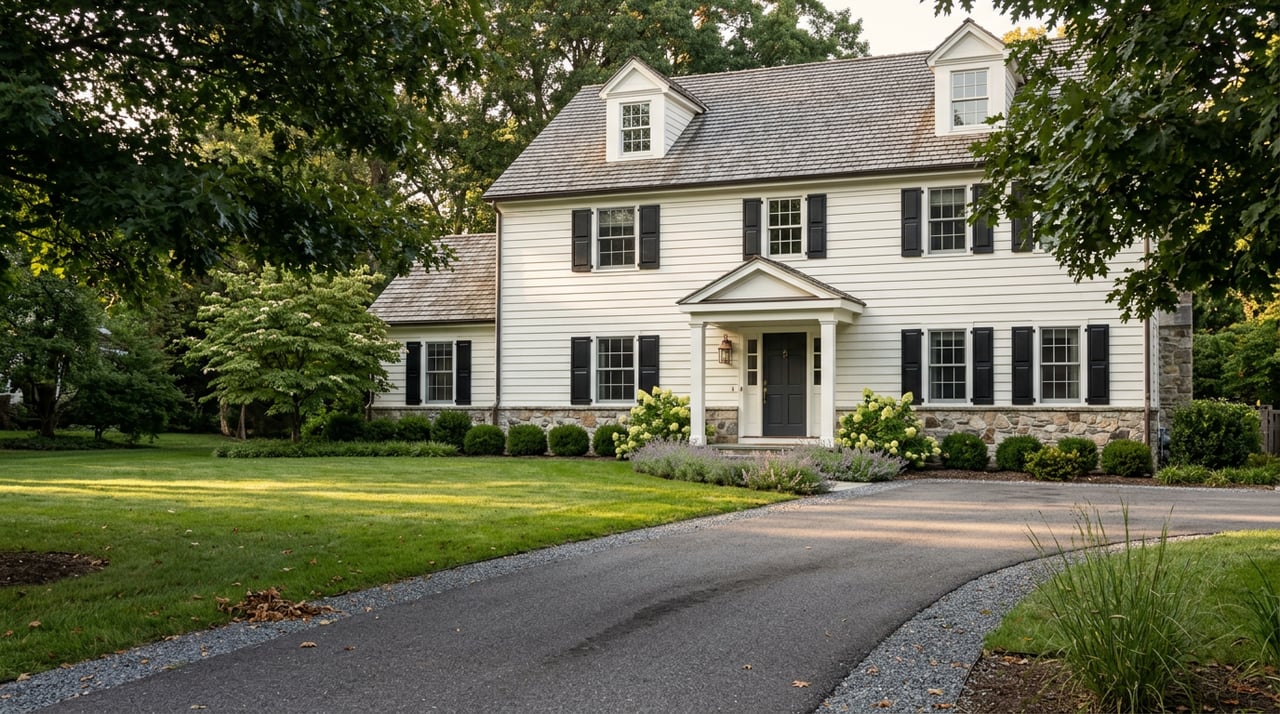
One of the clearest differences between these two places is what your budget tends to buy. Hopewell Township zoning examples include larger-lot residential patterns such as 60,000-square-foot and 80,000-square-foot minimum lots, along with 3-acre, 6-acre, and 14-acre districts. There are also some cluster, townhouse, and apartment forms, but the overall pattern points toward more spread-out living.
Princeton is more mixed and compact. Local standards include neighborhood residential areas with lots of one-half acre or smaller, and one current single-family zoning form lists 6,000 square feet of lot area per dwelling unit. In some areas, the housing mix also includes duplexes, multi-family apartments, and ground-floor businesses in walkable corridors.
If you want acreage, a longer driveway, or more separation from neighbors, Hopewell Township usually gives you more opportunities to find that setup. If you value a compact lot, easier access to town amenities, or a wider mix of housing types, Princeton may offer more of what you are looking for.
Neither option is better in a universal sense. It really comes down to whether you want space and privacy or proximity and convenience to shape your day-to-day life.
The pricing gap between the two municipalities is significant. Census data reports a median owner-occupied home value of $561,900 in Hopewell Township compared with $1,050,600 in Princeton. Median gross rent is $2,128 in Hopewell Township versus $2,636 in Princeton.
That does not mean every Hopewell home is less expensive or every Princeton home is out of reach. It does mean that, in broad terms, Princeton buyers are often paying more for location, walkability, and access to a dense in-town setting. In Hopewell Township, the same budget may more often translate into land, privacy, and a more spacious property footprint.
Princeton has the more transit-oriented setup. The municipality highlights the free Princeton Loop bus, NJ Transit 605 and 606, Coach USA’s 100 bus to New York City, and the Princeton Station Dinky connection to Princeton Junction. Local materials also note direct Amtrak and NJ Transit service to New York City and Philadelphia through nearby rail connections.
For buyers who want options beyond driving, that can be a major advantage. Princeton also supports biking and walking as part of its transportation framework, which can make short errands and local outings feel more convenient.
Hopewell Township is more road-based. Township planning states there is no direct passenger rail service in Hopewell Township, with nearby rail access instead coming from Princeton Junction, Princeton, Hamilton, and Trenton. The township also points residents toward local ride programs and Mercer County mobility resources.
Your best choice may depend less on miles and more on habits. Ask yourself:
Those answers often point clearly toward one town or the other.
Both places offer open space, but the experience is different. Hopewell Township’s open-space plan says open space and recreation areas account for 35% of the township, or 43% when preserved farmland is included. That is a meaningful part of why the township feels rural, scenic, and less built-up.
Princeton also offers strong access to preserved land, with more than 28% of the municipality preserved as open space. The difference is that Princeton blends green space with a more compact street network, mixed-use areas, and an active downtown environment.
If your ideal weekend includes trails, scenic drives, and a quieter backdrop, Hopewell Township may feel more aligned. If you want parks and preserves while still staying closely connected to town life, Princeton may be the better match.
For many buyers, school structure matters just as much as housing style. Hopewell Valley Regional School District serves the Hopewell Valley area with one high school, one middle school, and four elementary schools. Princeton Public Schools serves the municipality with four neighborhood elementary schools, one middle school, and one high school.
This is not just an academic comparison. It can affect your daily logistics, including travel patterns, neighborhood search areas, and how you picture your household routine over time. If schools are part of your move, it helps to look at district structure alongside housing and commute priorities.
If you are still torn, it may help to think in simple terms. Hopewell Township is often the better fit if you prioritize land, privacy, preserved scenery, and a quieter road-oriented lifestyle. Princeton is often the better fit if you want walkability, transit access, a lively downtown, and a more compact daily routine.
Here is a quick side-by-side summary:
| Factor | Hopewell Township | Princeton |
|---|---|---|
| Overall feel | Lower-density, rural character | Compact, in-town environment |
| Population density | About 301.2 people per square mile | About 1,709.6 people per square mile |
| Housing pattern | Larger lots are common | More mixed and compact housing |
| Median owner-occupied home value | $561,900 | $1,050,600 |
| Transit access | No direct passenger rail in town | Stronger bus and rail connections |
| Lifestyle rhythm | Car-based, scenic, quieter | Walkable, bikeable, downtown-oriented |
| Open space | 35% open space, 43% with preserved farmland | More than 28% preserved open space |
There is no one-size-fits-all answer here. The better town is the one that supports how you want to live, move, and spend your time. When you line up budget, lot size, commute style, and daily routine, the right answer usually becomes much easier to see.
If you want help comparing homes, neighborhoods, and lifestyle tradeoffs in the Greater Princeton area, Vanessa Shives can help you evaluate your options with local insight and steady guidance.
Stay up to date on the latest real estate trends.
You can expect to work closely with us at showings, inspections, financial analyses, and handyman projects. We bring deep market knowledge, hands-on investment experience, and strong financial and analytical expertise to help you identify properties with potential.